
In the world of emergency medicine and healthcare, time is everything—both in clinical situations and when it comes to professional certifications. Whether you’re renewing your credentials or taking Advanced Cardiovascular Life Support (ACLS) for the first time, the idea of getting certified in just one day might sound too good to be true. But it’s not. With the right approach and a trusted provider, you can get your ACLS certification fast, without sacrificing quality or skipping critical content. Here’s how to make it happen the right way.
Choose an Accredited Program
The first and most important step in getting your ACLS certification quickly is to choose a reputable, accredited program. Not all online options meet the standards required by hospitals and employers, so look for courses that follow American Heart Association (AHA) guidelines and provide instant provider cards upon successful completion. Accreditation ensures that your training covers essential topics like advanced airway management, high-performance CPR, and team dynamics.
Focus on Providers That Offer an Online ACLS Course
If speed and convenience are your priorities, taking an online acls course is the way to go. Many modern platforms are designed for healthcare professionals who already have a solid clinical foundation. These courses offer comprehensive material through videos, interactive scenarios, and case-based learning—all optimized for fast completion without skipping the core content. Midway through your course, you’ll likely recognize how well it balances depth with efficiency, making it a smart choice for those in a time crunch.
Find a Course with Built-In Flexibility
You don’t need to block off your entire day to complete the course in one sitting. Many high-quality providers offer flexible access, so you can pause and resume modules at your convenience. This way, you can move quickly through the sections you’re already familiar with and spend more time on the parts that require a deeper understanding. The ability to go at your own pace is crucial if you aim to finish in one day.
Prep Ahead for the Final Exam
Even though the course itself can be completed in a day, going in prepared will save you time and stress. Before starting, brush up on ECG interpretation, pharmacology, and algorithms for cardiac arrest, stroke, and bradycardia. Most providers offer downloadable study guides or practice tests, and reviewing these materials in advance can cut down on the total time you spend reviewing later.
Take Advantage of Practice Scenarios

Interactive simulations and real-life case scenarios aren’t just helpful—they’re essential for absorbing ACLS protocols quickly. The best online courses will challenge your clinical decision-making through these modules, helping you retain information better and apply it with confidence in real-world situations. This approach doesn’t just speed things up; it makes your learning more effective.
Don’t Skip the Post-Certification Extras
After you’ve passed the exam and earned your certificate, take a moment to explore any included extras, like downloadable provider manuals, algorithm cheat sheets, or continuing education credits. These resources are often overlooked in the rush to get certified, but they add value and help reinforce your knowledge long after the course is done. Plus, many programs allow you to re-access content even after certification—something that’s useful for refreshing your skills periodically.
Getting ACLS certified in just one day is entirely possible—and you don’t have to take shortcuts to do it. The key is choosing a high-quality online course that balances efficiency with clinical depth. When you pair solid preparation with a flexible learning platform, you can meet your professional goals fast while still gaining the critical knowledge you need to save lives.…
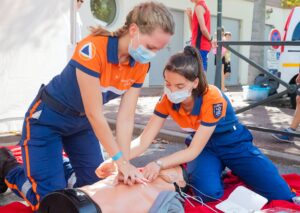 ACLS certification is a specialized training program designed for healthcare providers who care for patients at risk of cardiac emergencies or those who have experienced cardiac arrest. It equips healthcare professionals with the advanced knowledge and skills needed to respond to complex cardiac events, such as sudden cardiac arrest, stroke, and acute coronary syndromes. Through comprehensive training and simulation exercises, ACLS certification prepares individuals to make critical decisions in high-stress situations, ultimately saving lives.